Physical Therapy Autoimmune Arthritis
![Physical therapist working with a senior patient on knee mobility]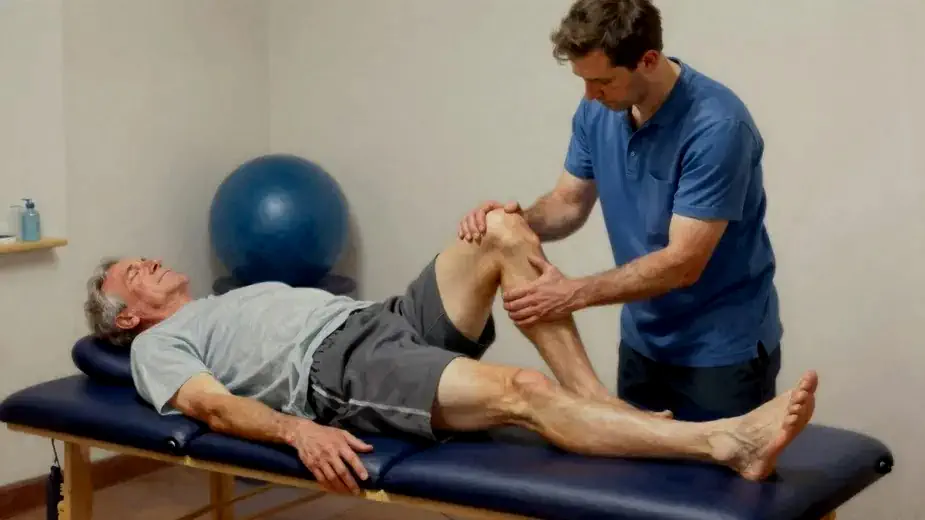 Figure 1: Physical therapy offers a whole-body approach to movement and long-term joint preservation.
The Immunomodulatory Effect of Movement
Autoimmune arthritis (including RA, PsA, and Axial Spondyloarthritis) involves the immune system erroneously targeting healthy joint tissues.
Recent 2025 data confirms that regular, moderate exercise has immunomodulatory effects. This means that movement doesn’t just “stretch the joint”; it helps regulate the immune response and reduces systemic inflammation over time.
![Image of the immune response in a joint with rheumatoid arthritis] Figure 2: Inflamed joint tissue in rheumatoid arthritis, with immune cells infiltrating the synovium, attacking the joint lining, and triggering swelling, pain, and cartilage damage. This close-up reveals the autoimmune assault underlying chronic joint destruction.
The Four Pillars of PT for Arthritis
1. Joint Function and Flexibility
Gentle range-of-motion (ROM) exercises increase the flow of synovial fluid, which lubricates the joint. This is critical for reducing the “icy” morning stiffness characteristic of autoimmune conditions.
2. Muscular Strength for Stability
Stronger muscles act as “shock absorbers” for your joints. By building the muscles surrounding an inflamed joint, you reduce the mechanical load on the damaged cartilage.
3. Balance and Coordination
Consistent activity enhances proprioception—your body’s ability to sense its position. This is a primary tool for fall prevention, a major concern for seniors managing joint instability.
4. Evidence-Based Pain Management
Physical therapists utilize techniques like heat therapy to improve circulation and manual therapy to ease muscle tension, helping to calm irritated tissues without systemic medication risk.
FAQ: Clinical Pacing and Flares
Is strength training safe during an active flare? Yes, but it must be modified. During a flare, your therapist will focus on isometric exercises (tensing the muscle without moving the joint) and pain-free ROM to maintain support without provoking further inflammation.
How does PT help with “Arthritis Fatigue”? Therapists use pacing strategies and energy-conservation techniques. By teaching you how to move more efficiently, you use less metabolic energy for daily tasks, leaving you more “fuel” for the rest of your day.
Related Patient Resources
- The Log: Track your mobility and clarity with the Daily Glucose Tracker.
- The Foundation: Read my Beginner’s Guide to Diabetes.
- Liver Health: How metabolic syndrome impacts liver cirrhosis.
Clinical Citations
- APTA: American Physical Therapy Association.
- Arthritis Foundation: Joint Protection Strategies.
- Mayo Clinic: Exercise for Rheumatoid Arthritis.
{ "@type": "Question", "name": "What should I tell my physical therapist before starting an autoimmune arthritis program?", "acceptedAnswer": { "@type": "Answer", "text": "Patients should share their diagnosis, medications, recent flares, pain patterns, and activities that worsen or relieve symptoms. They should also mention fatigue levels, sleep quality, and mobility challenges at home so the therapist can tailor a safe, effective program." } } ] } </script> <br><div style="background:#e8f4f8; padding:15px; border-left:5px solid #2980b9; margin-top:20px; font-family: sans-serif; color: #333;"> <strong>March 2026 Clinical Update:</strong> Current advocacy for liver health emphasizes high-protein intake (<strong>1.2-1.5 g/kg</strong>) to prevent sarcopenia. Portal hypertension targets for esophageal or gastric varices now align with a systemic blood pressure of <strong><130/80 mmHg</strong>. </div> ---