Leaky Gut Syndrome Fact Fiction
![Diagram showing the intestinal lining with widened gaps]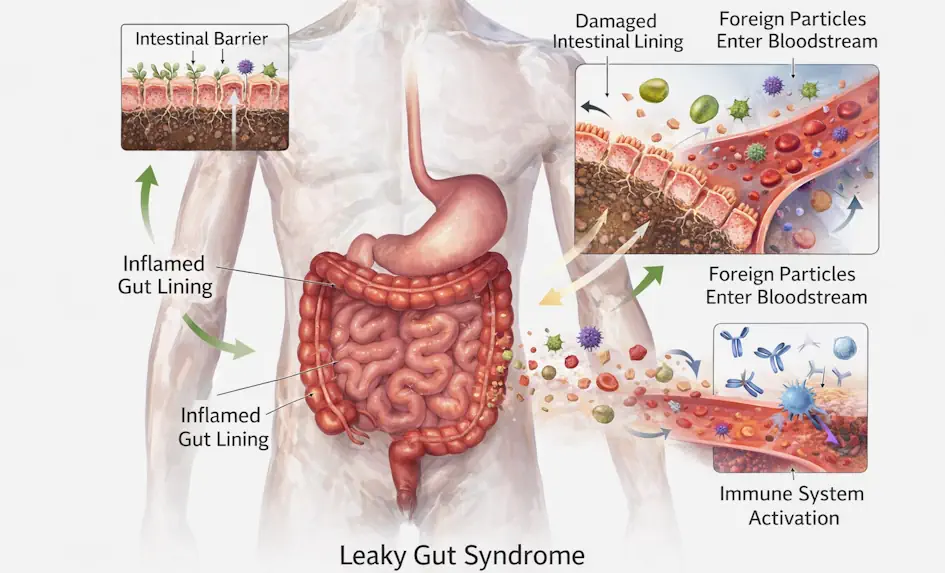 Figure 1: A medical illustration showing how inflammation allow toxins and bacteria to pass into the bloodstream, triggering immune responses.
1. Inflammation and the Gut Barrier
Chronic inflammation can harm the delicate gut lining. This is a complex biological reaction to pathogens or irritants, involving immune cells and molecular mediators.
While short-term inflammation helps the body heal, chronic inflammation is detrimental. It is a known risk factor for cardiovascular issues and may downregulate the Vitamin D receptors (VDR) we’ve discussed in our sarcopenia research.
2. Food Allergies vs. Sensitivities
Adverse reactions to gluten, dairy, or eggs can trigger immune responses that potentially damage the GI tract.
- Food Allergies: Occur when the immune system mistakenly identifies a protein as harmful, producing IgE antibodies. This triggers histamine release, leading to hives, swelling, or even anaphylaxis.
- Food Sensitivities: Arise from the body’s inability to properly digest certain foods. Symptoms like gas, bloating, and fatigue are common, but they do not engage the immune system in the same way an allergy does.
If you suspect a sensitivity, proactive healthcare and regular checkups are your best tools for diagnosis.
3. The Impact of Stress (Cortisol)
Stress releases cortisol, a hormone that can wreak havoc on the gut lining. Elevated cortisol levels contribute to the “widening” of the gaps in your intestinal wall.
Management Strategies for Seniors:
- Quality Sleep: Ensure at least 7 hours to keep cortisol levels regulated.
- Active Movement: Regular exercise and strength training reduce systemic stress.
- Social Connection: Spending time with loved ones buffers the physiological impact of stress.
Managing Your Gut Health
There is no one-size-fits-all treatment, but you can improve the resilience of your gut lining:
- Fermented Foods: Yogurt, kefir, and sauerkraut are excellent sources of probiotics.
- Avoid Ultra-Processed Foods: High sugar and artificial additives are known gut irritants.
- Digestive Enzymes: May help break down food particles more efficiently, reducing the load on the intestinal wall.